
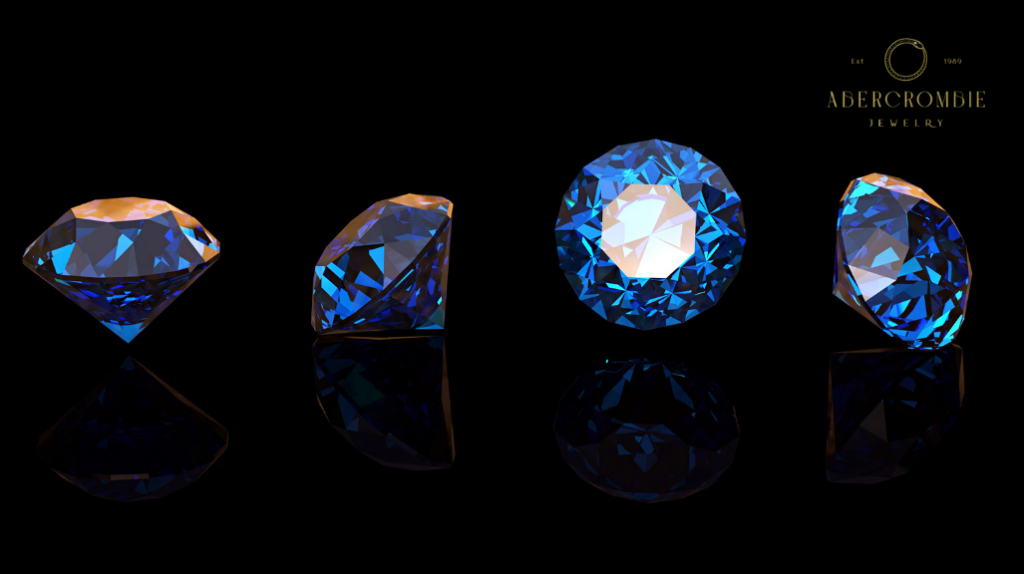
Gemstones have fascinated humanity for centuries, admired for their beauty, rarity, and mysterious origins. Behind every sparkling gem lies a complex combination of natural science, geological processes, and careful craftsmanship. In the world of gemology, certain collections or gemstone types are sometimes given distinctive names to represent their unique characteristics. One such concept often discussed in design and collector circles is Medusa II, a term associated with gemstones that display striking visual complexity, dramatic colors, and intricate internal structures.
Understanding gemstones like those referred to in the Medusa II category requires exploring the scientific principles that shape their appearance. The colors that catch the eye, the clarity that determines transparency, and the internal structure that defines durability are all results of geological processes that occur deep within the Earth over millions of years. By examining these factors, gemologists and jewelers can better understand what makes a gemstone both beautiful and valuable.
The Geological Birth of Gemstones
All gemstones begin their journey deep inside the Earth. The formation of gemstones is a geological process that involves intense heat, pressure, and chemical interactions between minerals. These conditions occur far below the Earth’s surface, often within volcanic environments or deep metamorphic rock layers.
Over thousands or millions of years, minerals crystallize as molten rock cools or as mineral-rich fluids move through cracks in the Earth’s crust. As these crystals grow, they form the structures that eventually become gemstones.
The Medusa II concept is often associated with gemstones that develop in particularly complex environments. In such conditions, multiple minerals, temperature shifts, and pressure variations influence how the crystal grows. These factors can produce unique internal patterns and color variations that make each stone distinct.
This natural complexity is one of the reasons gemstones are so captivating. No two stones are exactly alike because the geological circumstances that created them are never identical.
The Science Behind Gemstone Color
One of the most noticeable features of any gemstone is its color. Color plays a major role in determining a gemstone’s beauty and market value. The colors seen in Medusa II gemstones often appear especially vivid or unusual, drawing attention to the scientific processes that produce them.
Gemstone color is usually created by trace elements within the mineral structure. These elements are present in very small amounts but can dramatically influence the appearance of the crystal. For example, traces of chromium can produce deep red or green hues, while iron can create yellow or brown tones.
Another important factor affecting color is the way light interacts with the crystal structure. As light passes through the gemstone, it may be absorbed, reflected, or refracted depending on the arrangement of atoms within the crystal. This interaction with light determines how intense or vibrant the color appears.
In some gemstones, color zoning occurs when the concentration of trace elements changes during crystal growth. This results in visible bands or patterns within the stone, adding to its visual complexity.
Clarity and the Role of Natural Inclusions
Clarity refers to how free a gemstone is from internal imperfections or inclusions. While perfectly clear stones are often highly valued, inclusions can sometimes add character and scientific interest to a gemstone.
In the case of Medusa II gemstones, inclusions often contribute to their unique appearance. These internal features may include tiny mineral crystals, microscopic fractures, or fluid-filled cavities trapped during the stone’s formation.
From a scientific perspective, inclusions provide valuable information about the environment in which the gemstone formed. Gemologists can study these microscopic features to learn about temperature conditions, mineral composition, and geological history.
Interestingly, certain inclusions can also create special optical effects. Needle-like inclusions, for example, may produce a star-shaped reflection known as asterism in some gemstones. Other inclusions may create shimmering or cloudy patterns that enhance the stone’s individuality.
Rather than being considered flaws, these natural features sometimes make a gemstone even more fascinating.
Crystal Structure and Atomic Arrangement
At the heart of every gemstone lies its crystal structure. This structure refers to the orderly arrangement of atoms within the mineral. The way these atoms bond and align determines the gemstone’s hardness, durability, and optical properties.
Gemstones associated with Medusa II designs often exhibit complex crystal formations. These structures may include layered growth patterns, internal fractures, or unusual crystal shapes that influence how light travels through the stone.
Different minerals form different crystal systems. Some gemstones develop in cubic structures, while others form hexagonal or trigonal patterns. Each crystal system affects how the gemstone reflects and refracts light.
This atomic arrangement is also responsible for a gemstone’s hardness. Hardness measures how resistant a mineral is to scratching, and it plays a crucial role in determining whether a gemstone is suitable for everyday jewelry.
Understanding crystal structure allows gemologists to predict how a stone will behave when cut, polished, or set into jewelry.
Light Interaction and Optical Effects
One of the most fascinating scientific aspects of gemstones is the way they interact with light. The brilliance and sparkle that people admire in gemstones are the result of complex optical processes occurring within the crystal.
When light enters a gemstone, it slows down and bends due to the change in density between air and the mineral. This bending of light is known as refraction. The degree of refraction depends on the gemstone’s internal structure and chemical composition.
Gemstones may also display dispersion, which occurs when light separates into different colors of the spectrum. This effect creates the rainbow flashes sometimes seen in highly polished stones.
Medusa II gemstones are often admired for their dramatic optical behavior. The combination of internal inclusions, layered structures, and color variations can produce unusual reflections and patterns that appear almost alive when light moves across the stone’s surface.
These visual effects highlight the delicate balance between geology and physics that gives gemstones their captivating beauty.
The Role of Cutting in Revealing Structure
Although gemstones are created by nature, their final beauty often depends on human craftsmanship. Gem cutting is the art of shaping and polishing gemstones to enhance their natural qualities.
When a gem cutter examines a stone, they carefully study its internal structure, color distribution, and inclusions. The goal is to determine the best way to cut the stone so that it reflects light effectively while preserving its unique features.
In gemstones with complex internal patterns, such as those associated with the Medusa II concept, cutting requires extra skill. The cutter must decide whether to emphasize clarity, color, or internal patterns depending on the stone’s natural characteristics.
Faceted cuts are often used to maximize brilliance, while cabochon cuts may be chosen to highlight unusual inclusions or optical effects.
The cutting process transforms a rough mineral crystal into a gemstone capable of displaying its full scientific and aesthetic potential.
Modern Gemological Analysis
Advances in modern science have greatly improved the study of gemstones. Gemologists now use sophisticated tools to analyze a stone’s composition, structure, and authenticity.
Microscopes allow experts to examine inclusions in great detail, while spectroscopic instruments can identify trace elements responsible for color. X-ray analysis can reveal internal structures that are invisible to the naked eye.
These technologies help gemologists understand the formation of gemstones and ensure that they are natural rather than synthetic or treated.
In the context of Medusa II gemstones, scientific analysis can reveal the complex geological processes that produced their distinctive colors and patterns.
Such research not only helps determine a gemstone’s value but also deepens our understanding of Earth’s natural mineral formations.
The Balance Between Science and Beauty
While the scientific study of gemstones reveals fascinating geological and physical processes, the appeal of gemstones ultimately lies in their beauty. The colors, clarity, and structures that scientists analyze are the same qualities that inspire artists, designers, and collectors.
The Medusa II concept reflects this balance between science and aesthetics. The intricate patterns and dramatic colors that characterize these gemstones are products of natural processes that occurred long before human civilization existed.
Yet through careful study and craftsmanship, jewelers are able to reveal and celebrate these natural wonders.
This combination of scientific knowledge and artistic appreciation is what makes gemstones so enduringly captivating.
Conclusion
The science behind gemstones is as fascinating as their visual beauty. Through the study of color, clarity, and crystal structure, gemologists can uncover the geological history hidden within each stone.
Gemstones associated with the Medusa II concept highlight the complexity of these natural processes. Their vivid colors, intricate inclusions, and unique structures reveal the powerful forces that shaped them deep within the Earth.
From the atomic arrangement of minerals to the way light interacts with a polished surface, every aspect of a gemstone reflects a delicate interplay between geology, physics, and time.
By exploring the science behind these remarkable stones, we gain a deeper appreciation not only for their beauty but also for the extraordinary natural processes that created them. Each gemstone becomes more than a decorative object—it becomes a small piece of Earth’s geological history, preserved and transformed into a work of art.